Call for Evidence: Strategy for the built environment professions, trades and occupations
4. Approach to reform
4.1. Government published the Single Construction Regulator Prospectus in December 2025, setting out an overarching vision for the built environment system. This identified core outcomes for a well-functioning building system:
- Buildings and built environments are safe and high-performing and deliver a healthy, accessible, secure and sustainable environment for occupants.
- Companies and individuals are enabled to thrive when they operate in the interests of current and future building users.
- The building system is trusted; users have confidence the system will act to prioritise the safety and needs of occupants.
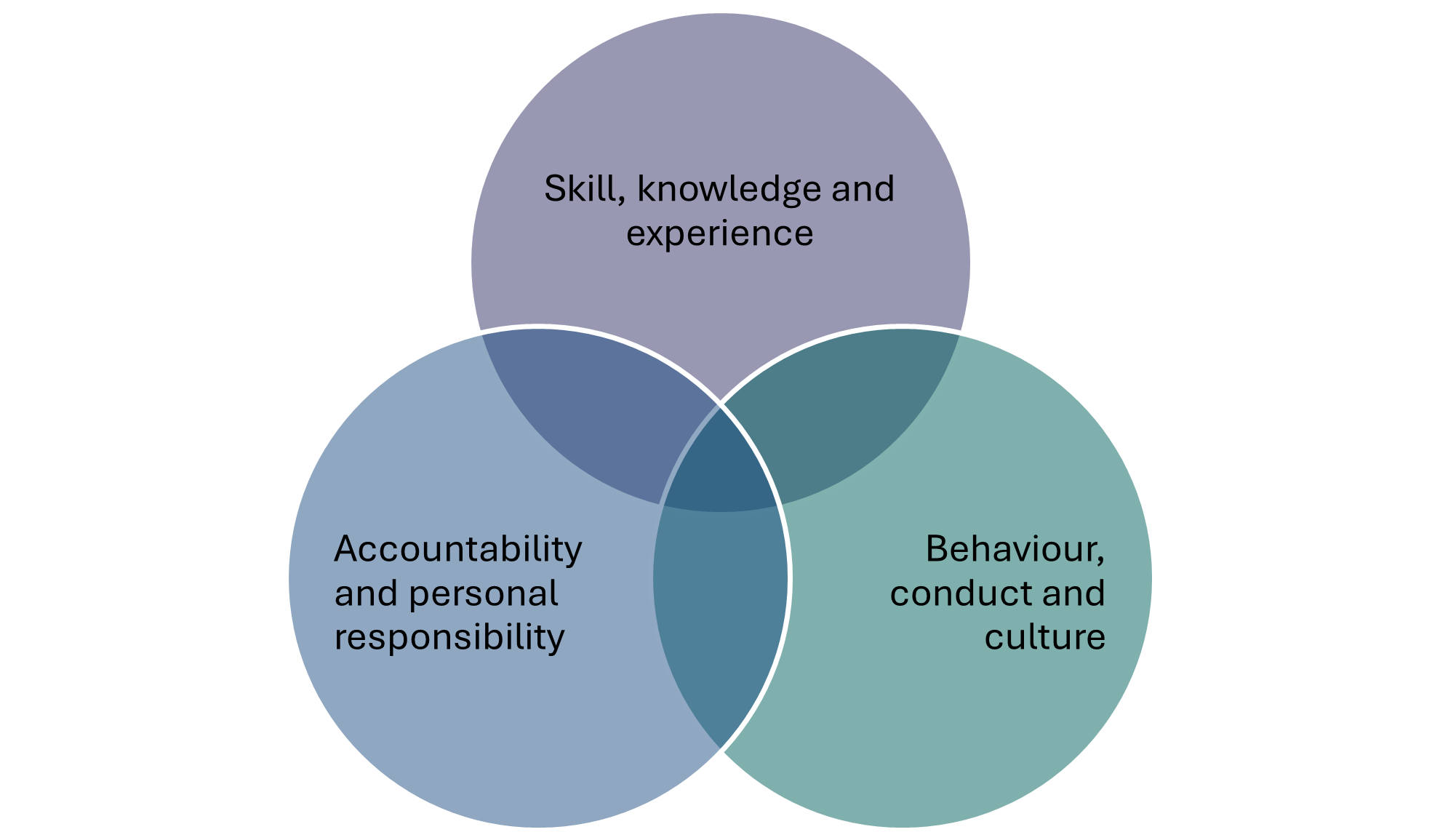
4.2. The new strategy for the Built Environment professions, trades and occupations will bring together government, sector bodies, organisations, regulators and individuals to set out the practical reforms that are needed at an individual, organisational and system-wide level to bring this vision to life. Practically, this will consider a range of regulatory and non-regulatory changes across three core and interdependent pillars of reform, linked to the overarching Single Construction Regulator outcomes:
- Skills, knowledge and experience: The practical and technical expertise and workmanship required to design, build and maintain safe, quality buildings and environments.
- Behaviour, conduct and culture: The professionalism with which people approach their work and the way the system is set up to incentivise and reward quality and ethical behaviour. This includes the way that people, systems and processes – such as business operating models, commercial factors (including contracting frameworks and insurance arrangements) impact individual and corporate decision-making.
- Accountability and personal responsibility: The way the system operates to promote individual and corporate responsibility, including effectively identifying and penalising inadequate standards.
4.3. Effective reform must address these three components together, taking account of the barriers and opportunities to each, as well as the ways that they intersect to reinforce or undermine each other. Focusing exclusively on regulation or skills provision without also addressing, for example, how poor market practices coalesce to create a so-called “race to the bottom” or the way in which a general lack of transparency limits personal responsibility, will not be enough to drive the wholesale change that is needed. In the same way, reform must consider the ways in which organisational capability shapes what and how individual actors do: an otherwise skilled and conscientious individual can be constrained by the systems, incentives and capacity of the organisation in which they work.
Figure 1 - The three pillars of reform
4.4. The scale of the challenge is significant. The whole building ecosystem spans residential, commercial and civic buildings and environments at every stage of their lifecycle, supported by a large and diverse workforce serving an even more diverse population. The potential scope of reform reflects this breadth. The final strategy will therefore need to reflect deliberate choices about focus and prioritisation in order to deliver meaningful impact, drawing on the responses to this call for evidence.
4.5. Ultimately, successful reform of the built environment system will be a long-term undertaking that relies on collective commitment, leadership and action from across government, individuals, industry, professional bodies and regulators, as well as those working in the professions, trades and occupations themselves. Everyone involved in the built environment has a role in creating the conditions for safer, higher-quality buildings and a system that commands public trust.